
 Español
 English
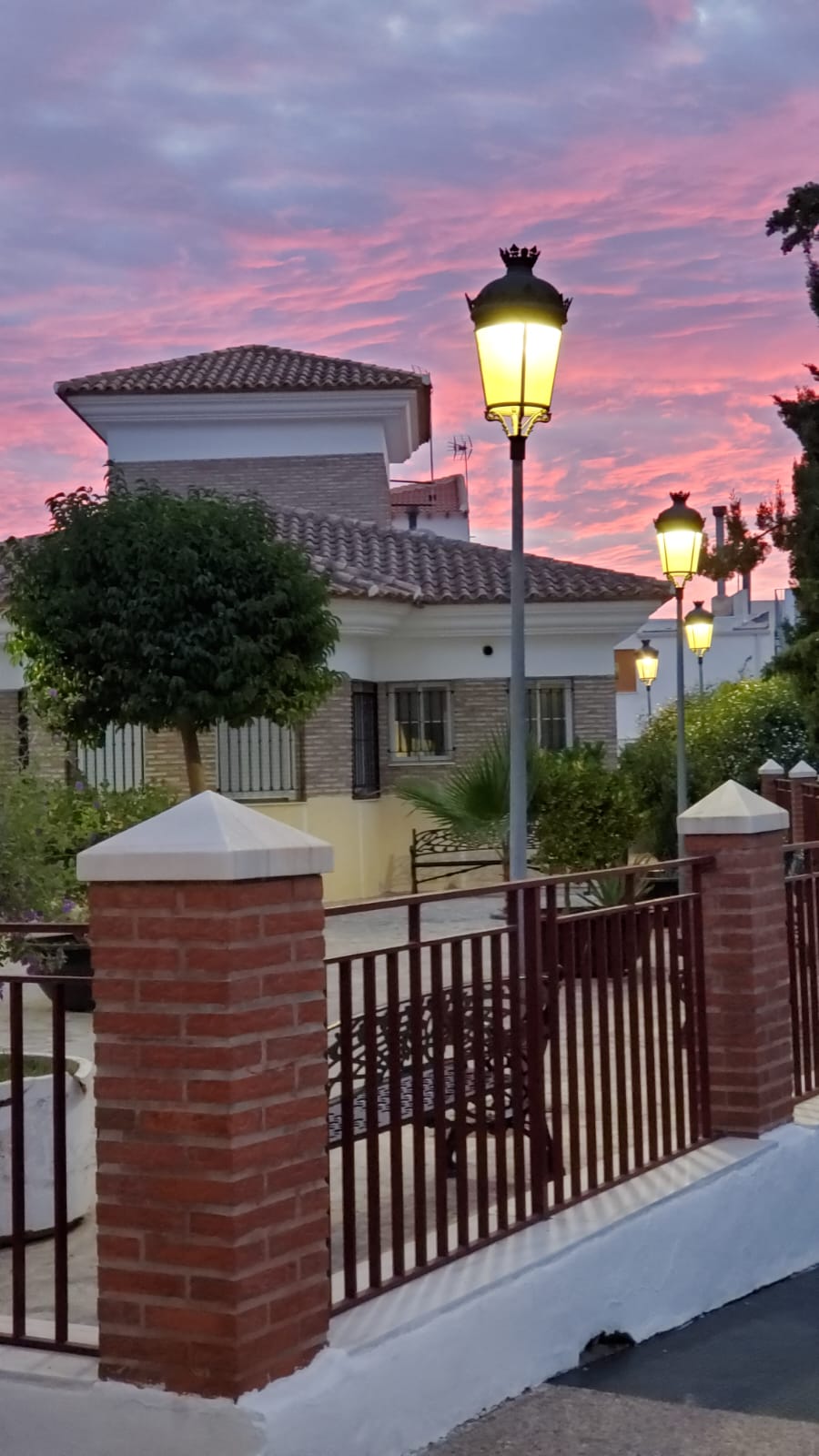
The route begins in the heart of Armuña de Almanzora, amongst narrow streets and whitewashed houses that hold centuries of history. The parish church and the small squares bear witness to community life, where fairs and neighbourhood gatherings were once held.
Simply step into the town centre; the old quarter is best explored on foot, savouring every corner. Here you can feel the legacy of the agricultural tradition and the pulse of daily life in the valley.
From there, make your way up to the viewpoint, situated in the upper part of the village, near the cemetery. In the past, shepherds and locals used this spot to keep watch over the valley. Upon arrival, you’ll be treated to a mosaic of vegetable gardens, the winding Almanzora River and the mountain ranges hugging the horizon. It is a place to pause and breathe in the vastness, ideal for photography, rest and reflection, where history blends with natural beauty.
Descending from the viewpoint, you’ll join the old paths that once linked the village with the vegetable gardens and farmsteads. Follow the path down until you reach the municipal washhouse “Los Caños”; soon the paths will appear amongst the almond and olive trees. These routes were the daily lifelines of the community, along which mules laden with water jugs and villagers made their way to the river or the springs. Walking along them is to relive the agricultural life of the valley.
The landscape offers a wealth of natural diversity:
Flora: Olive trees, almond trees, rosemary, thyme, poplars and aspens.
Fauna: Birds of prey such as Bonelli’s eagle, goldfinches, serins, lizards and small reptiles.
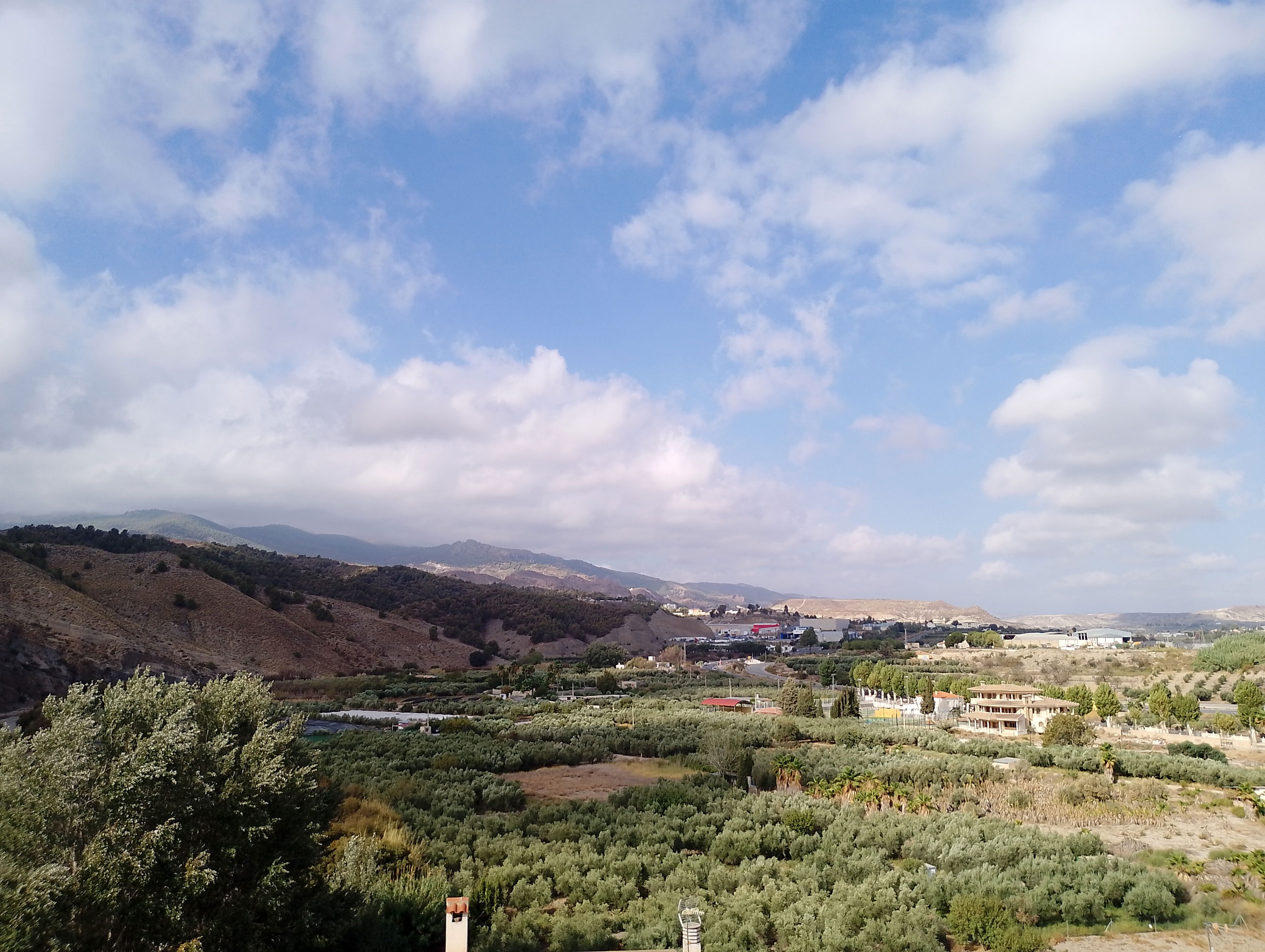
From here, the path down to the river begins, surrounded by vegetable gardens and terraced almond groves. Follow the track that runs alongside the irrigation channel, a simple, traditional route once used by local residents to go and water their crops or do their washing.
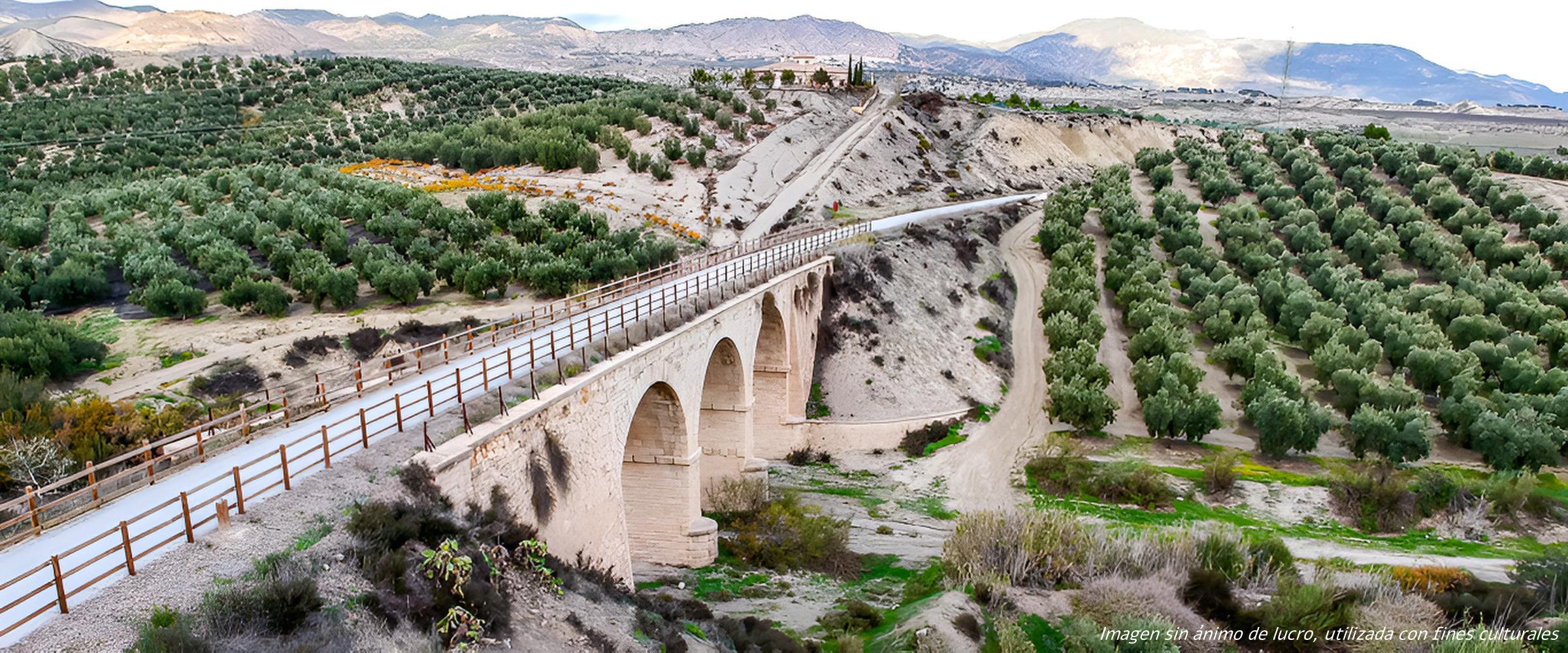
After a leisurely 10-minute walk, the Cela riverbed comes into view. There you will find the Puente de los Tres Ojos (Three-Eyed Bridge), so named for its characteristic stone arches. This bridge was built in the 19th century, when the Almanzora railway (from Lorca to Baza) crossed this area. Its construction made it possible to cross the river and ensure the passage of trains and goods to the mining and agricultural basin. The arches were designed to withstand flooding and provide structural strength to the infrastructure.
Today, the Almanzora Greenway crosses the bridge at the top, transforming the old railway line into a path for cyclists and walkers. Here, visitors pause, look around and feel how history and nature converse in silence.
This route links history and landscape: the old town centre that preserves tradition, the viewpoint that opens up the horizon, the footpaths that tell the story of rural life, and the bridge built alongside the railway, a symbol of the progress that transformed the Almanzora.
Written by Eva Mª Navarro Lara