
 Español
 English
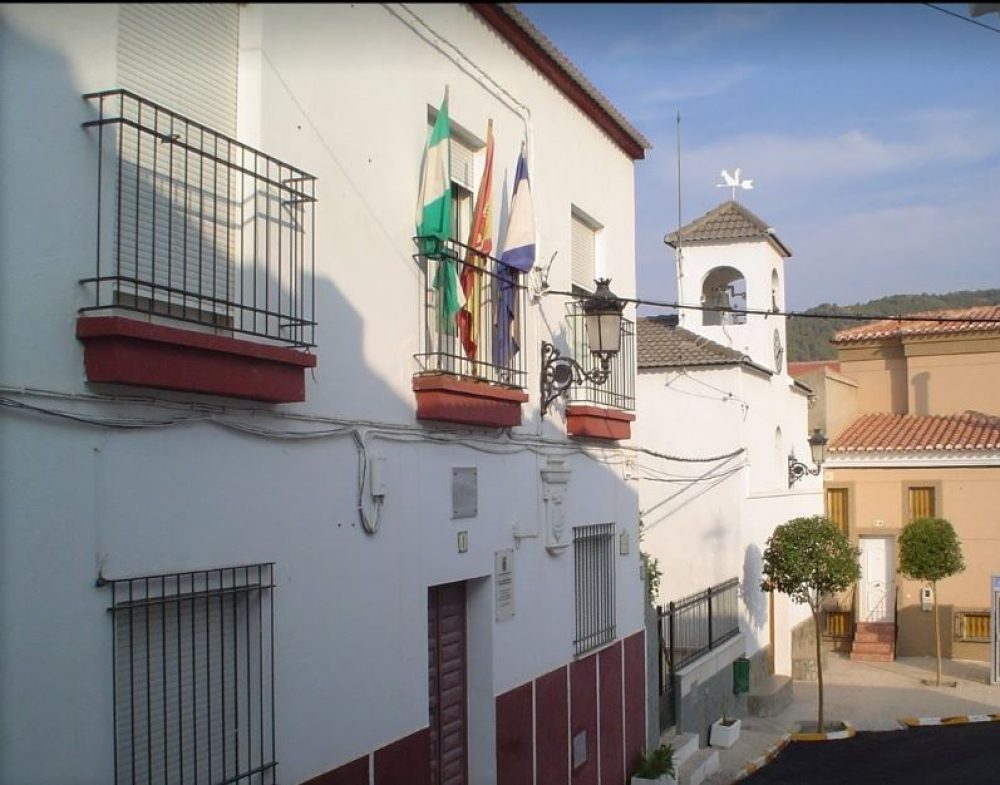
History of Armuña de Almanzora
Regarding the first settlements in the area, some archaeological sites have been discovered that demonstrate the presence of Roman culture in these lands. Later, in medieval times, the Arabic name given to this municipality refers to its fertile farmland, a reality that is still evident today. A noteworthy historical fact is that in the 16th century, this town had 120 houses, although in the Middle Ages it must have had fewer, as it was not yet the seat of a lordship. There are references confirming that around 1560, this town belonged to the Duke of Escalona.
In the past, Armuña had a bread oven, an inn, a tavern and a blacksmith’s shop in the square, as well as three flour mills and one oil mill. Outside the town walls, not far from the cemetery, there was a castle with a large parade ground, four towers, a gunpowder store, a courtyard with marble columns from the Sierra de los Filabres and a beautiful room where the mayors, administrators and clerks lived. It also had dungeons, prisons and silos for storing grain.
The entire construction was made of stone typical of the area, but it is now completely in ruins.
The land was irrigated by the Almanzora River, which had abundant water in winter and enough in summer to irrigate its fertile plain. There was also a plentiful spring, called Paules, which served as a boundary marker for the jurisdiction of this town as well as that of Purchena. Traditionally, the area produced cereals, legumes, beetroot, grapes and oil, as it had numerous olive groves.
Studying such an important period in our history as the Civil War is difficult because the archives containing all the existing documentation were burned. Currently, to consult part of our history, one must go to the Royal Chancery of Granada.
It seems that during the Modern Age, Armuña belonged to the Count of Santisteban and the Marquis of Ariza, although there is hardly any memory of this period in the village.
In 1894, the railway infrastructure of Armuña was built, although the nearest station was in Tíjola. These are:
-3 overpasses
-4 footbridges
-3 bridges over ravines
Monuments
Armuña has a simple but beautiful 16th-century church with a precious Cordovan monstrance from the early 17th century inside. Nearby are the ruins of an old castle of considerable size that had four towers, a large parade ground, a gunpowder store, an elegant courtyard with marble columns and even a beautiful residence, a barracks, which speaks of the historical importance of the town, undoubtedly linked to its privileged location, which led to its growth in the 16th century, when it belonged to the Duchy of Escalona.
Gastronomy
Gastronomy represents the culture of a town. It is influenced by the climate, the economy, the natural resources of the place, the seasons and religious festivities. On cold winter days, when the rain makes its appearance, it is customary to cook flour or bread crumbs, accompanied by paprika broth, peppers and fried dried tomatoes, fish and slices of pork, all washed down with a good local wine. Stews are also eaten, cooked in different ways: wheat, pumpkin and fennel, which prepare the body for a hard day’s work. On hot summer days, gazpachos and seasonal salads are refreshing. Rabbit and chicken fritters and porridge with fish broth are also typical, taking advantage of the peak season for vegetables. Throughout the year, sausages such as black pudding, chorizo, longaniza and blanquillo are enjoyed, along with pork products that are made before Christmas during the famous matanzas (slaughtering of pigs), which usually bring together family and friends for a few days of celebration and work in a tradition that is difficult to lose. At Christmas, the typical pastries of this time of year are made, such as tortas de chicharrones y manteca (pork rind and lard cakes), pan de aceite (olive oil bread), suspiros (meringues) and mantecados (shortbread).
Comments 0